MWAC Commercial Sanitation
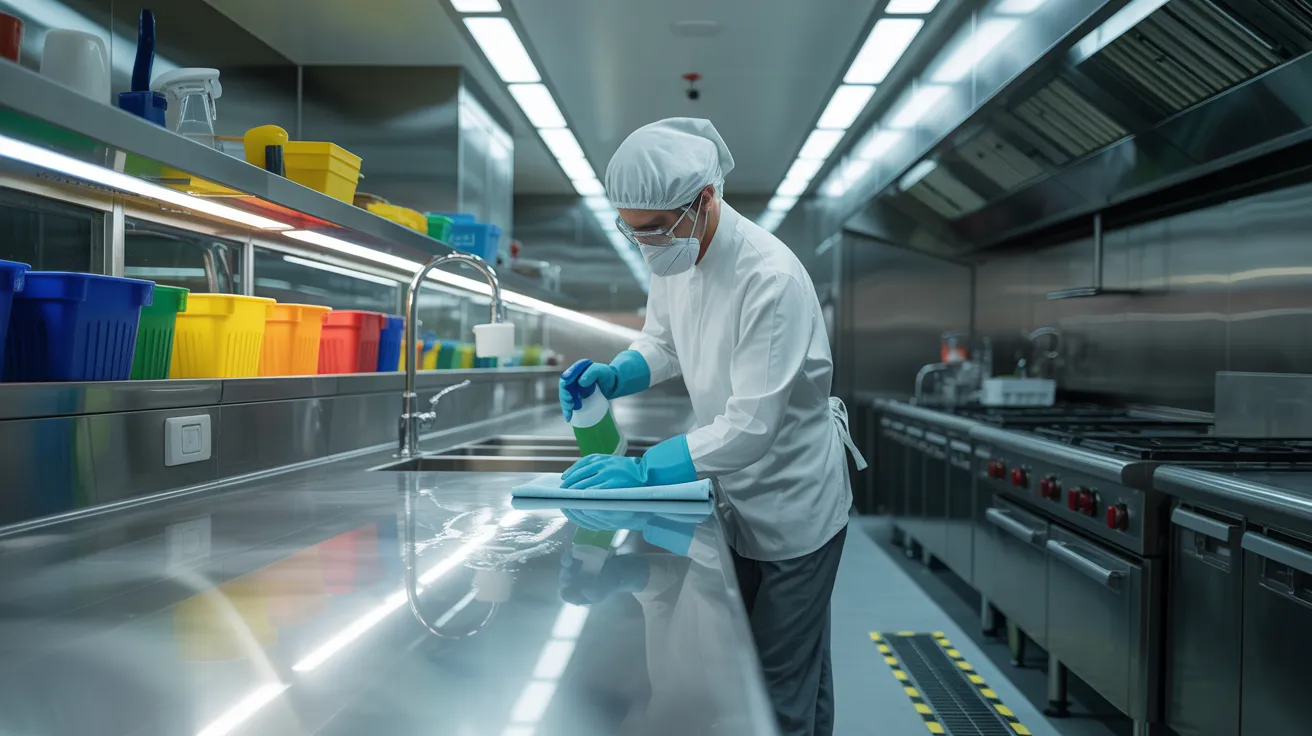
Commercial hygiene experts located in Brampton ensure restaurants, food distribution facilities, bakeries, warehouses, and mobile food units to sanitation standards. They disinfect frequently handled areas, food prep surfaces, equipment, floors, drains, restrooms, and preparation zones using approved sanitizers, at proper strength, and with verified times.
Key Takeaways
- Food safety cleaning professionals from Brampton assist restaurants, grocery departments, commissaries, warehouses, bakeries, schools, mobile vendors, and allergen-sensitive operations.
- They treat frequently contacted areas, food-contact equipment, kitchens, floors, drains, restrooms, and storage areas using zone-based workflows to eliminate cross-contamination.
- Approved sanitizer dilution, compatibility, and contact time are validated by certified vendors, with completion documented via checks, audits, and correction logs.
- Maintenance schedules ought to follow danger, throughput, transitions, releases, and regulations, with routine, periodic, and seasonal activities assigned by section.
- Liability, color-coded implements, HACCP, health regulatory expertise, WHMIS instruction, testimonials, and audit-ready sanitation files are important provider attributes.
Which Brampton Establishments Need Food Safety Cleaning?
Any Brampton facility that processes, stores, prepares, packages, or distributes food needs hygiene cleaning. You must follow it if your business falls under public health inspection, food premises regulations, or internal HACCP-based controls. That requirement covers eateries, dining facilities, food distribution centers, supermarket departments, meat markets, fish counters, corner stores, and commercial kitchens.
Adherent hygiene cleaning is also needed in warehouses, food manufacturing plants, cold storage sites, retail bakeries, school nutrition programs, banquet halls, and meal delivery hubs. Mobile and temporary establishments are included, examples including catering vehicles, festival sellers, and pop-up stands. Your location demands established hygiene procedures should your team work with ingredients, section finished dishes, heat items, or keep allergens organized. In Brampton, sanitation stays discretionary; it constitutes statutory, functional, and public health standards.
Which Areas Do Brampton Cleaning Experts Cover?
Professional cleaning teams specializing in Brampton sanitize touched surfaces, kitchen facilities, ground surfaces, and sanitary facilities in compliance with food safety regulations. Focus on these locations stems from extreme cross-contamination risk, potential for accidents, and compliance issues.
If you comprehend their cleaning services, you'll successfully ensure your operation satisfies all operational and regulatory compliance needs.
Sterilizing High-Touch Points
set how frequently each surface is sanitized
technical instructions and compliance standards to ensure effectiveness. Technicians may use swab testing to verify disinfection results
Food Prep Areas, Flooring, and Sanitary Facilities
Professional cleaners in Brampton prioritize kitchens, floors, and restrooms given that each location involves specific food safety, slip-and-fall, and public health requirements. In industrial kitchens, you need grease removal from cooking stations, appliance surfaces, drain systems, preparation areas, and backsplashes to reduce bacterial growth and pest activity.
Documented floor care is also provided as part of the service.
Restroom cleaning involves sanitizing touchpoints, fixtures, partitions, dispensers, and waste containers, restocking supplies and controlling odours. They also maintain restaurant cleaning supply rooms where product storage, sink cleanliness, and drain systems impact daily sanitation standards and worker protection.
The Importance of Food Safety Cleaning in Brampton
Brampton businesses need to establish food-safe cleaning standards for meeting legal standards and passing inspections. You also reduce bacterial spread through proper cleaning of food-preparation surfaces, appliances, and frequently-touched items. Most importantly, you safeguard public health by lowering the risk of foodborne illness in your facility.
Food Safety Regulations
Since Brampton food companies must follow strict public health standards, your hygiene maintenance directly influences your capability to fulfill health codes, safeguard diners, and avoid regulatory penalties. You must maintain sanitized food contact points, documented cleaning schedules, appropriate product handling, and auditable operational standards that meet municipal and provincial inspection expectations.
Thorough sanitation measures promotes allergen reduction by minimizing particles on joint machinery plus frequently touched surfaces. If your cleaning standards weaken, you encounter citations, corrective directives, loss of reputation, and possible interruption to service during additional reviews or regulatory actions.
Cross-Contamination Prevention
Adhering to health code standards requires your expertise in stopping cross-contamination throughout routine preparation and sanitation work. You need to separate raw ingredients from ready-to-eat foods, clean prep surfaces between tasks, and keep chemicals away from food-contact items. Structured procedures reduce transfer risks and maintain ongoing regulatory adherence.
Implementing allergen segregation helps ensure major allergens don't touch communal work zones, bins, or devices. Deploy dedicated cutting boards, color-coded tools, and strict utensil labeling so staff don't mix items during preparation or service. Enforce hand hygiene following fresh proteins, aquatic items, egg products, or allergen materials. Replace wiping cloths regularly, and validate disinfectant levels using test strips. When you train staff to follow these controls every shift, you establish a more hygienic, safer workplace that meets Brampton's food safety expectations daily.
Public Health Safeguarding
If food safety cleaning declines, you don't merely face potential inspection issues—you boost the probability of pathogenic contamination affecting customers, staff, and the broader Brampton region. You also weaken your role in safeguarding community wellness, especially in high-traffic food premises where pathogens travel quickly through surfaces, equipment, and touchpoints.
You must implement sanitation protocols that remove soils, get started properly disinfect, and verify results. This involves maintaining exposure times, utilizing authorized sanitizers, maintaining records, and coaching staff to fulfill health-unit expectations. These actions support disease prevention by reducing microbes before contaminating food or hands. In Brampton, robust sanitation shields vulnerable populations, curtails outbreak likelihood, and demonstrates accountability. When you maintain standards, you exceed requirements—you substantially reduce risk and advance safer food handling across the region.
Why Is Cleaning Essential for Food Safety Compliance?
Thorough cleaning protocols support food safety compliance by decreasing contamination threats, managing pathogen expansion, and keeping your facility aligned with sanitation requirements under HACCP-based programs and public health regulations. You confirm that food-contact surfaces appear visibly clean and microbiologically controlled, enabling documented preventive controls and inspection readiness.
Effective cleaning also enhances allergen control by clearing residues that can cause undeclared allergen exposure. by clearing residues that can lead to undeclared allergen exposure.
Establishing When to Arrange Commercial Cleaning
Establish cleaning plans based on risk, production volume, and regulatory requirements rather than relying solely on a predetermined calendar. You should arrange routine cleaning every day
special occasions, catering functions, or public functions should schedule cleaning both [[before and after for successful event turnaround. Document schedules, verify completion, and adjust schedules if hazards, volumes, or regulations evolve
What Should You Look For in Brampton Cleaning Experts?
Evaluate providers first by food-safe sanitation requirements rather than cost. You must ensure each provider understands CFIA, public health, and HACCP-aligned expectations for your business. Request proof of insurance, WHMIS compliance, staff training documentation, and supervision methods. Check technician understanding of cross-contamination risks, chemical handling, and traceable sanitation records.
Additionally, you need to evaluate operational reliability and responsibility. Obtain references from Brampton food operations, then review response times, corrective-action procedures, and communication standards. Verify the company supports supplier audits and can deliver inspection-ready documentation when inspectors or external parties need proof. Verify equipment is maintained, colour-coded tools are applied correctly, and site-specific hazards are identified. A qualified provider ensures compliance, product quality, and your brand reputation.
What's covered in a Food Safety Cleaning Plan?
Develop a written plan that clarifies every sanitation task, standard, and responsibility before production begins. You should outline cleaning schedules, authorized chemicals, concentration levels, contact duration, implements, and validation techniques for each location, surface, and apparatus. Incorporate pre-operational inspections, corrective actions, and employee training requirements.
Your plan should also address contamination prevention controls, waste handling procedures, pest management measures, and written schedules for rest areas, drains, flooring, and food-contact surfaces. Describe how you'll keep raw and ready-to-eat processes separate, facilitate ingredient tracking, and maintain accurate allergen labeling through validated cleaning between product changes. You should assign accountability, keep signed records, and review results against regulatory standards, HACCP controls, and customer requirements. When gaps appear, update procedures immediately and retrain staff.
Frequently Posed Questions
Do cleaning services operate during overnight shifts at Brampton facilities?
If you manage regulated spaces, you'll also need documentation that support audits and ensure compliance.
Will Brampton cleaning experts respond to emergency spills?
Yes, you can expect Brampton cleaning experts who offer hazard containment services. They manage hazardous materials, assess risks, contain contamination, and begin swift cleanup to reduce exposure and avoid operational disruption. You should confirm response times, training certifications, safety procedures, and waste management. If your facility must meet regulatory requirements, choose a provider that documents incidents, follows compliant standards, and supports audit readiness.
Are environmentally safe disinfectants secure for food-contact surfaces?
Definitely, green disinfectants function safely on food-handling equipment if you select disinfectants approved for food contact that satisfy regulatory compliant. You need to verify application timing, concentration levels, and rinse protocols prior to application. Plant-derived products minimize harsh chemical exposure, but you need evidence of effectiveness against relevant pathogens. To maintain residue-free conditions, adhere to precise manufacturer instructions and ensure your sanitizer complies with food sanitation requirements.
Can cleaning plans be customized for seasonal shifts?
Absolutely, cleaning plans are customizable for seasonal production changes. Modify frequencies, labor allocation, disinfectants, and confirmation procedures to correspond to seasonal patterns while preserving regulatory compliance. Minimize production downtime through planning disinfection amid changeovers, peak seasons, and usage patterns. Also revise SSOPs, employee training, and monitoring protocols to capture temporary risks, additional allergens, or elevated soil levels. Ongoing evaluations preserve the schedule efficient.
Do commercial cleaners train employees on hygiene standards?
Absolutely, professional cleaning companies regularly deliver employee education on hygiene standards. Your team gets training on proper chemical use, contact times, contamination avoidance, equipment disassembly, and documentation. They generally match guidance with HACCP, GMP, and CFIA or regional health authority requirements. Many also perform health inspections to ensure adherence, identify gaps, and strengthen corrective measures. This enables you to sustain consistent procedures, clear audits, and reduce food safety risks consistently.
Closing Remarks
When you partner with Brampton food safety and commercial cleaning experts, you aren't merely cleaning—you maintain your facility inspection-ready and your protocols compliant. From processing areas to kitchen spaces, every polished surface and well-kept corner helps reduce pest intrusion and avoid expensive problems. By arranging cleanings at the proper frequency and following a clear cleaning plan, you safeguard staff, customers, and your brand image. In a tightly regulated environment, clean spaces aren't optional—they're fundamental to proper operations.